
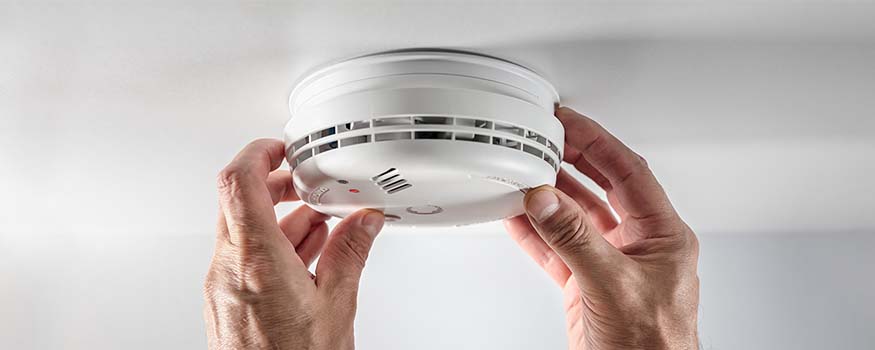
As cooler weather moves in, homeowners begin relying more heavily on their heating systems, fireplaces, gas appliances, and water heaters. While these systems keep your home warm and comfortable, they also increase the risk of carbon monoxide (CO) exposure during the winter months.
Carbon monoxide is one of the most silent and dangerous home hazards. It’s colorless, odorless, and completely undetectable without proper alarms — making CO detectors essential for home safety. This blog explains why winter is the most important time to check your carbon monoxide detectors, how CO forms, where detectors should be installed, and how to keep your family safe.
What Is Carbon Monoxide and Why Is It Dangerous?
Carbon monoxide is produced when fuel burns incompletely. Common sources include:
- Gas furnaces
- Gas or propane water heaters
- Fireplaces
- Gas stoves and ovens
- Generators
- Fuel-burning space heaters
- Car exhaust in attached garages
When functioning correctly, these appliances vent CO outdoors. But if something malfunctions, CO can be released into your home, sometimes without noticeable symptoms until it’s too late.
Why CO is deadly:
- Replaces oxygen in your bloodstream
- Causes dizziness, confusion, and fatigue
- High concentrations can lead to unconsciousness quickly
- Impossible to detect without an alarm
Why Winter Is the Most Important Time to Check CO Detectors
1. Heating Systems Run More Often
Furnaces and heating systems work harder in winter, increasing the risk of malfunctions — especially in older systems. Cracked heat exchangers, blocked flues, or malfunctioning burners can leak CO indoors.
2. Houses Are Sealed Tightly
During colder months, windows and doors are closed, reducing natural airflow. This can allow CO to accumulate quickly.
3. Fireplaces and Gas Appliances See More Use
Holiday cooking, fireplace usage, and long-running heaters all produce more CO. Any malfunctioning appliance increases risk.
4. CO Poisoning Symptoms Mimic Winter Illnesses
Fatigue, headache, dizziness, and nausea may be mistaken for flu or cold symptoms. Because CO is odorless, victims often don’t realize the cause.
5. Generators and Space Heaters During Power Outages
Winter storms may prompt the use of generators or fuel-burning heaters. Both produce CO and must be used correctly to prevent exposure.
Where Carbon Monoxide Detectors Should Be Installed
For proper protection, detectors should be placed:
✔ Outside each bedroom or sleeping area
✔ On every level of the home
✔ Near attached garages
✔ Near (but not directly next to) gas appliances
✔ At least 10 feet from bathrooms and cooking appliances
Avoid placing detectors behind curtains, furniture, or near heating vents.
How to Test Your CO Detectors Before Winter
Step 1: Press the Test Button
You should hear a loud, consistent beep. If not, replace the batteries or the unit.
Step 2: Check the Manufacture Date
CO detectors expire every 5–7 years. If yours is older, replace it immediately.
Step 3: Replace Batteries
Even plug-in units often require backup batteries.
Step 4: Clean the Detector
Dust can block sensors. Lightly vacuum or wipe the exterior.
Step 5: Replace Units That Chirp
A chirping sound usually indicates device failure — not low battery.
Signs of a Carbon Monoxide Problem in Your Home
- Soot or dark stains near furnace or water heater
- Excess moisture on windows (condensation)
- Yellow burner flames instead of blue
- Unexplained headaches or dizziness
- Frequent pilot light outages
If you suspect carbon monoxide, leave the home immediately and call your gas provider or emergency services.
Preventing CO Problems Through HVAC Maintenance
Most CO issues stem from malfunctioning heating equipment. Annual HVAC checkups help prevent:
- Cracked heat exchangers
- Blocked flue pipes
- Dirty burners
- Poor combustion
- Ventilation issues
A licensed technician can identify CO risks before the heating season begins.
What to Do If Your CO Alarm Goes Off
- Leave the home immediately
- Call 911 or your gas company
- Do not re-enter until cleared by professionals
- Have your HVAC system inspected before turning it back on
Carbon monoxide detectors are one of the simplest and most powerful tools for home safety. As winter approaches and heating systems work harder, testing your detectors becomes critical. Checking them early, replacing expired units, and maintaining your HVAC system can protect your home and family from one of the most dangerous winter hazards.
